Skills
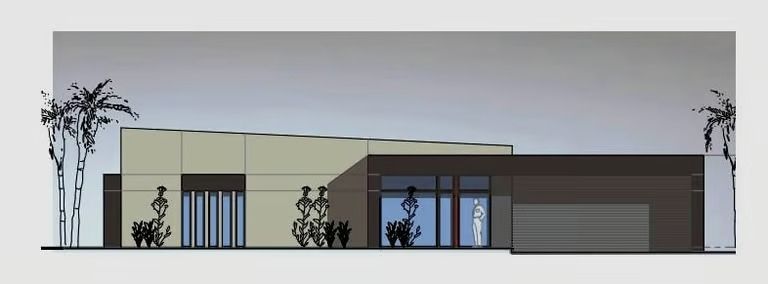
I play a key role in the planning, design, and execution of architectural projects within a prototype building system focused on production housing development. My responsibilities included producing and overseeing detailed construction documents, managing all phases of the project life cycle, and ensuring client satisfaction throughout. I consistently worked to meet project milestones on schedule and within budget, while maintaining the highest standards of design excellence and operational efficiency.
I oversaw specialized engineering and design initiatives, ensuring that each project was meticulously tailored to meet client requirements within the established contractual scope, budget, and schedule. This role required a strategic and analytical approach to the delivery of engineering services, emphasizing precision, coordination, and a comprehensive understanding of project objectives to effectively balance client expectations with organizational goals.
Serving as the primary liaison between clients, consultants, and internal project teams, I facilitated clear communication, resolved technical and logistical challenges, and ensured consistent alignment among all stakeholders throughout the project lifecycle. I also provided decisive leadership and mentorship, guiding team members to achieve excellence in both technical execution and professional development.
By fostering a collaborative, high-performance environment, I helped strengthen interdisciplinary cooperation, enhance efficiency, and drive continuous improvement, ultimately contributing to the successful realization of complex, high-quality projects that met or exceeded client and organizational standards.
SketchUp 2024
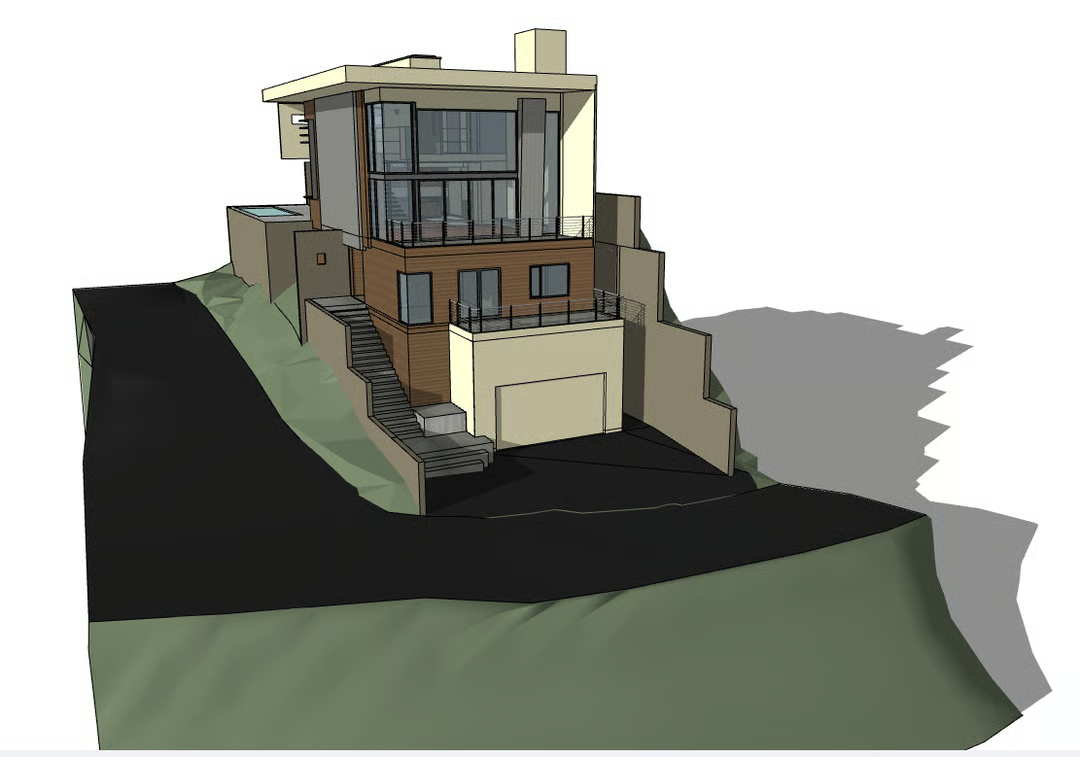
I regularly use SketchUp as a primary tool for rapid massing studies, enabling efficient exploration of design concepts and spatial relationships. This approach allows for quick, iterative refinements, providing my team with the ability to visualize and assess critical design components early in the development process. By leveraging SketchUp’s dynamic modeling capabilities, we can promptly identify potential constraints or intrusions that may affect key factors such as view corridors, height limitations, and easement boundaries.
This proactive design methodology promotes informed decision-making and ensures that each proposal is both visually compelling and compliant with site-specific regulations and spatial parameters. Additionally, this streamlined workflow encourages collaborative dialogue, enhances accuracy during the planning phase, and contributes to a smoother transition from conceptual design through to project execution.
AutoCAD
In the architectural profession, AutoCAD remains an essential platform for precision drafting, detailed documentation, and technical coordination. I have developed a high level of proficiency with this software, allowing me to produce accurate and efficient work that supports project momentum and ensures delivery within allocated budgeted hours. My expertise extends to the use of advanced shortcuts and customized commands, which significantly streamline workflows, as well as to effective layer management—an indispensable skill for organizing complex drawing sets and coordinating across multidisciplinary teams.
Strategic layer management not only enhances drawing clarity but also reduces the likelihood of errors, particularly when addressing intricate architectural and engineering details. This disciplined approach to digital documentation enables seamless collaboration, optimized resource utilization, and adherence to project timelines. Ultimately, my command of AutoCAD contributes to the consistent production of high-quality deliverables, reinforcing project efficiency, design integrity, and client satisfaction.
Revit
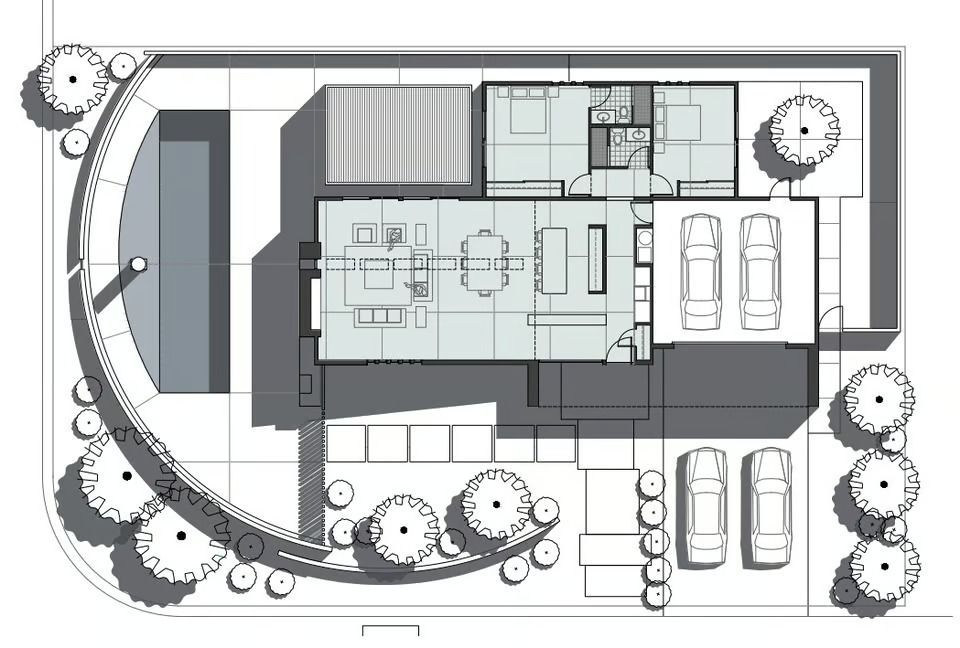
I have recently integrated Revit into my professional workflow as a key production tool, recognizing its significant advantages across various phases of project development. Revit’s advanced Building Information Modeling (BIM) capabilities provide a data-rich, collaborative platform that greatly enhances coordination among architectural, structural, and MEP disciplines. This integration facilitates the production of highly detailed construction documentation, improving precision, efficiency, and overall project cohesion.
The strategic decision to implement Revit on a project is guided by its capacity to optimize the transition into the construction documentation phase. By leveraging its 3D modeling environment, potential design and coordination conflicts can be identified and resolved early, minimizing downstream errors and maximizing project efficiency. Furthermore, Revit’s parametric functionality—automatically updating related drawings and schedules with each design change—ensures consistency, accuracy, and seamless documentation control.
My expanding proficiency with Revit continues to strengthen our firm’s ability to adapt production processes to the evolving demands of modern architectural practice. This capability supports a fully integrated and streamlined workflow, promoting collaboration, enhancing design accuracy, and contributing to the successful realization of complex projects from concept through completion.